
Author stories
New on Voices: From S.M.A.R.T. to SMART Em-Powered by AI
November 2, 2026 · 3 min read
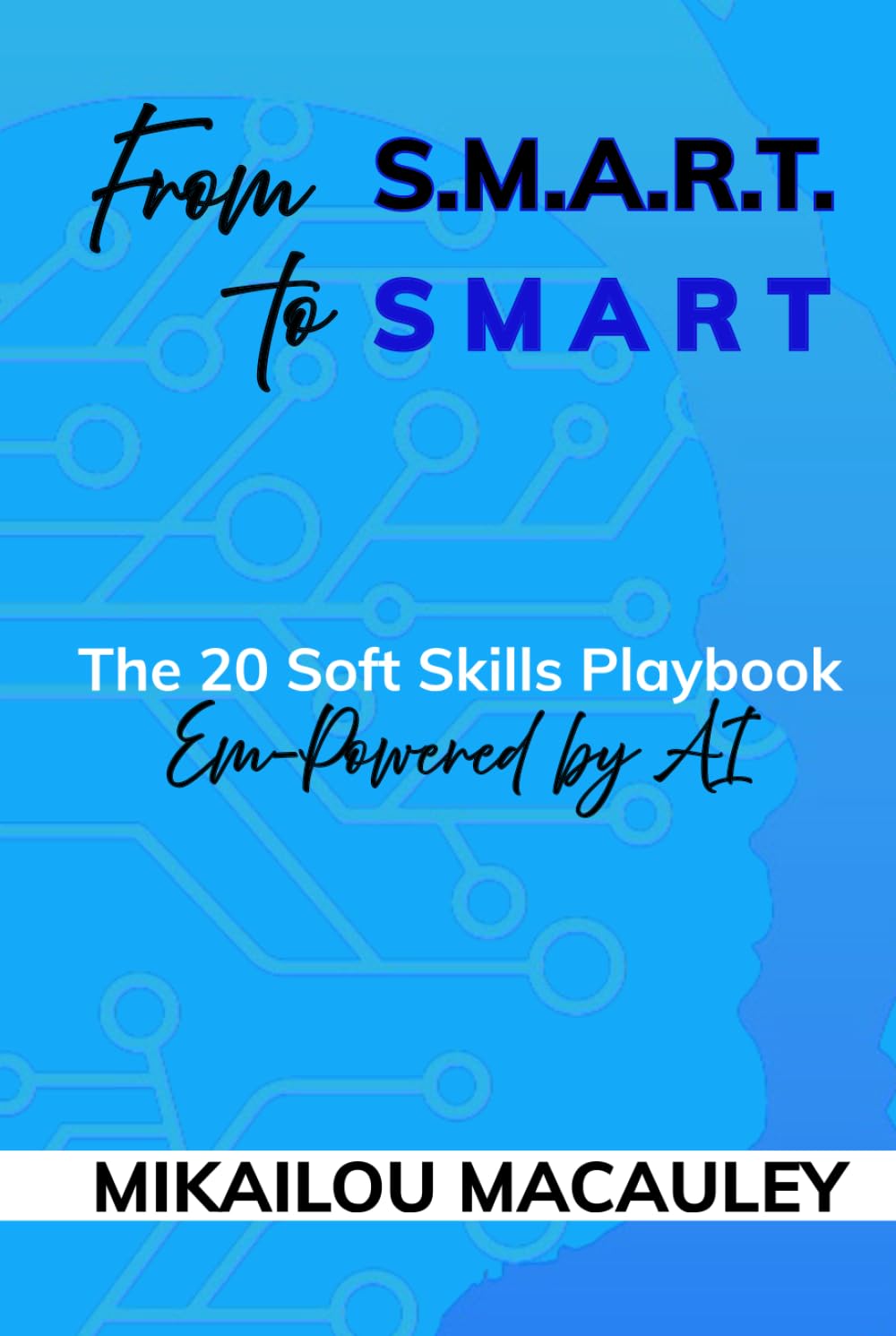
Introducing a book about the person behind the prompt
Life Evolution 360 is pleased to introduce From S.M.A.R.T. to SMART Em-Powered by AI: The 20 Soft Skills Playbook by Mikailou Macauley. Published December 29, 2025, this 270-page English-language book puts empathy, emotional intelligence, and deliberate practice at the center of AI-assisted personal development.
The book begins with a question that reaches beyond technological proficiency: when AI helps us produce polished work, are we also developing the skills to stand behind it?
Macauley’s answer is not to abandon the technology. Instead, he asks readers to change what they expect from it. Rather than relying on AI to present an appearance of competence, he proposes using it to identify skill gaps, structure practice, and support measurable growth.
Meet Mikailou Macauley
Macauley is a cybersecurity professional from Togo whose work connects digital safety with personal empowerment. For years, he worked to protect large, complex digital systems. That experience taught him the importance of precision, foresight, and systematic planning when building resilience and solving difficult problems.
Those habits also inform his approach to human development. His author biography describes a commitment to helping people improve without depending on performative confidence. He recognized the exhaustion and inauthenticity that can accompany pressure to appear capable before genuine competence has developed.
This book brings those concerns together: the discipline of structuring complex systems and the desire to help people build skills honestly. Macauley draws on his technological background to present AI as a partner in that work, rather than a substitute for the person doing it.
What “Em-Powered” means
The framework starts with S.M.A.R.T. goals: Specific, Measurable, Achievable, Relevant, and Time-bound. Macauley adds “Em”—Empathy and Emotional Intelligence—to connect structured goal-setting with human relationships and self-awareness.
In the supplied opening chapter, he moves from broad intentions toward observable behaviors. Improving leadership, for example, becomes a commitment to lead a weekly team meeting and practice delegation and clear direction. The emphasis is on defining what a person will actually do, not simply naming a quality they hope to possess.
The chapter also asks readers to consider whether a goal fits their resources, why it matters to their larger aims, and when they will review progress. That specificity serves two purposes within the book’s approach: it makes the reader’s commitment clearer and gives an AI assistant more useful context.
The distinction matters. A well-written plan is not the same as a practiced skill. Macauley’s framework keeps attention on the human behavior the plan is meant to develop.
Inside The 20 Soft Skills Playbook
The book describes playbooks for 20 soft skills, including Active Listening, Conflict Resolution, Critical Thinking, and Resilience. Its focus is not simply on understanding these terms, but on approaching them as areas for intentional development.
Readers are also introduced to prompt engineering techniques intended to make AI a diagnostic and coaching tool. In Macauley’s approach, the purpose of prompting is to reveal personal skill gaps and train attention—not just obtain a finished answer.
For readers responsible for teams, the book includes the Humble, Hungry, and Smart virtues as an approach to building unified, high-performing groups. This connects individual development with the relationships and working habits that leaders help shape.
Why this book matters
Macauley frames the risk of generative AI as more than a question of job displacement. His concern is that relying on technology to perform competence could weaken the human skills people need to exercise themselves.
That argument gives the book a clear audience. Managers and leaders are invited to consider how they build human connection alongside technological proficiency. Professionals can examine the gap between producing an answer and developing their own judgment. Entrepreneurs and founders can consider how trust, resilience, and collaboration fit into the cultures they want to create.
The book does not ask readers to choose between technology and humanity. It asks them to be deliberate about the relationship between the two. Its central invitation is to use AI in service of practice, while keeping responsibility for learning, leading, and connecting with the person.
Visit the book page for From S.M.A.R.T. to SMART Em-Powered by AI to learn more.